
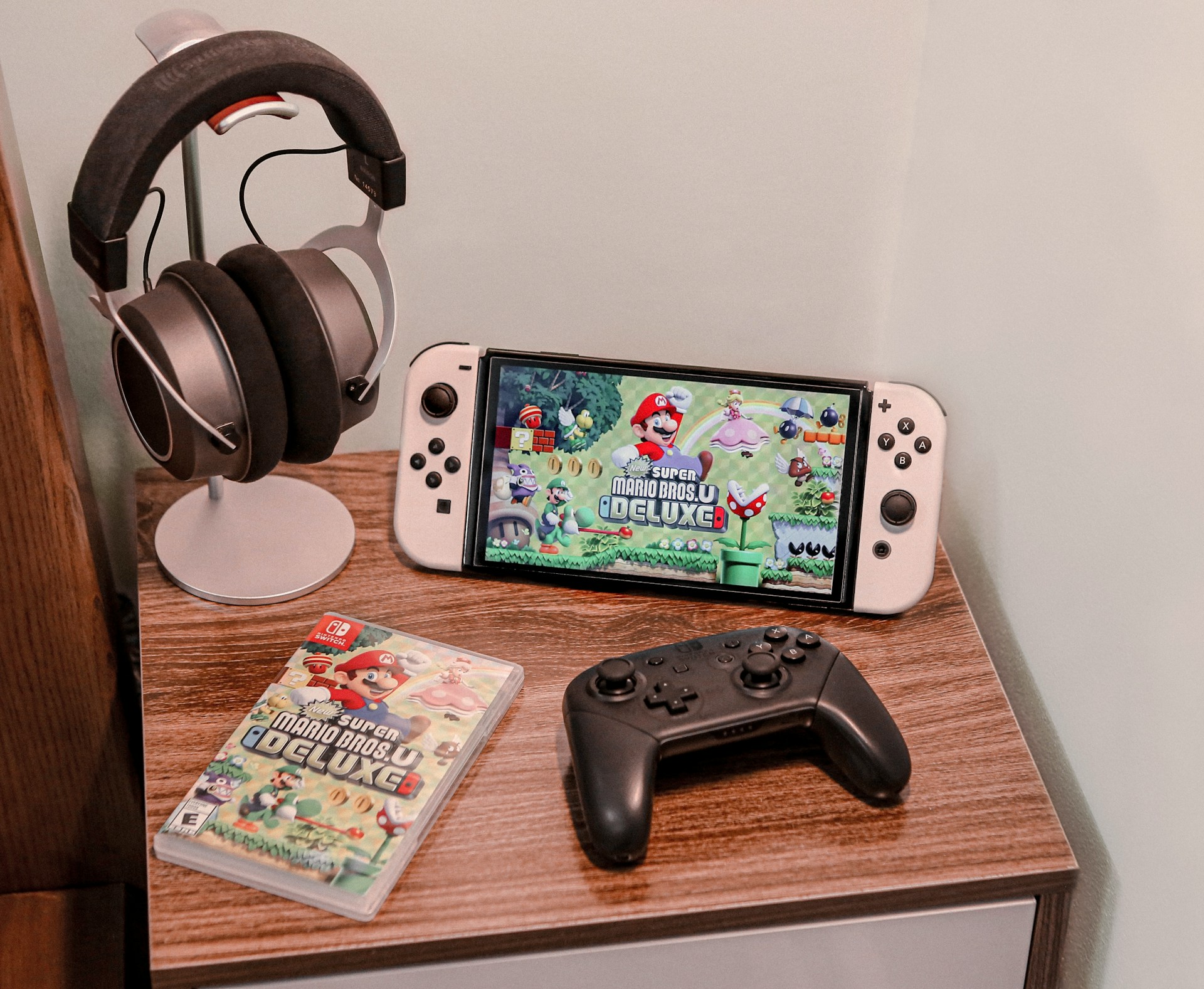
Lost in Translation: The Art of Game Localization
Picture this: you’re immersed in a captivating virtual world, navigating through intricate storylines and thrilling adventures. Now imagine that experience being marred by clunky translations and cultural misunderstandings. Enter game localization, the unsung hero of the gaming industry.
Game localization goes beyond mere translation; it’s a meticulous process that involves adapting content to resonate with players across different languages and cultures. From tweaking dialogue to fit regional nuances to redesigning visuals for global appeal, every detail is fine-tuned to create a seamless gaming experience.
But why does game localization matter? Well, imagine playing a game filled with inside jokes that only make sense in one language or encountering references to pop culture you’ve never heard of. It’s like being an outsider looking in, missing out on the full richness of the game’s narrative.
For developers, investing in game localization isn’t just about reaching a wider audience—it’s about showing respect for players worldwide. It’s a way of saying, “We value your experience, no matter where you’re from.”
Now, you might be thinking, “Isn’t game localization expensive?” While it’s true that high-quality localization can come with a price tag, there are budget-friendly options available. Some developers opt for machine translation tools combined with human editing to cut costs, while others focus on key languages to prioritize their target markets.
On the other end of the spectrum, luxury game localization services offer a premium experience, with dedicated teams of experts ensuring every cultural reference and linguistic nuance is perfectly adapted. It’s like the difference between a fast-food meal and a gourmet feast—both satisfying in their own way, but catering to different tastes and budgets.
But what about DIY game localization? While it may seem daunting, some indie developers have successfully tackled the challenge by crowdsourcing translations from their community or using user-friendly localization platforms. It’s a testament to the power of passion and creativity in overcoming language barriers.
In a world where gaming knows no bounds, game localization plays a crucial role in bridging the gap between players worldwide. It’s not just about language; it’s about empathy, understanding, and the shared love of gaming. So the next time you embark on a virtual quest, remember the unsung heroes behind the scenes, ensuring that every player feels at home in a global gaming community.